Types of Acne Lesions: From Blackheads to Severe Cystic Breakouts
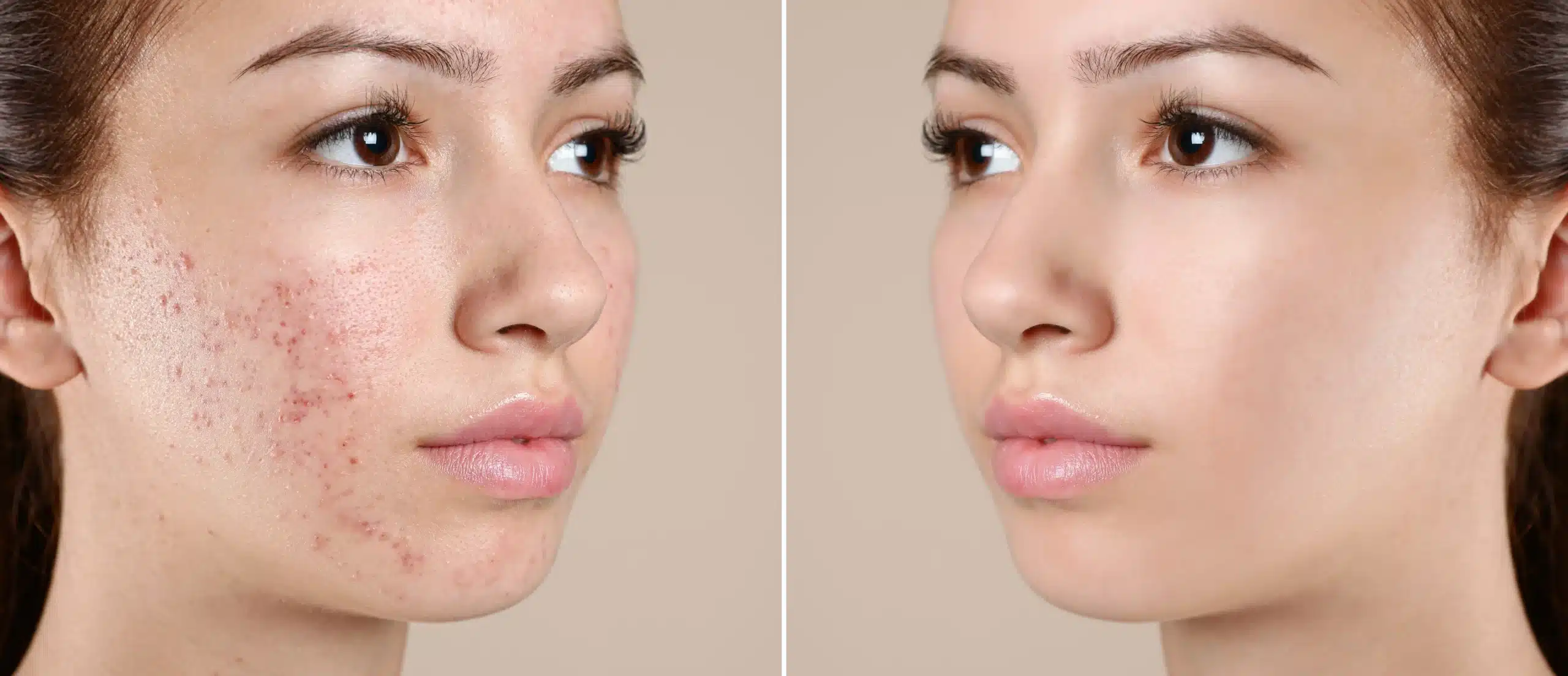
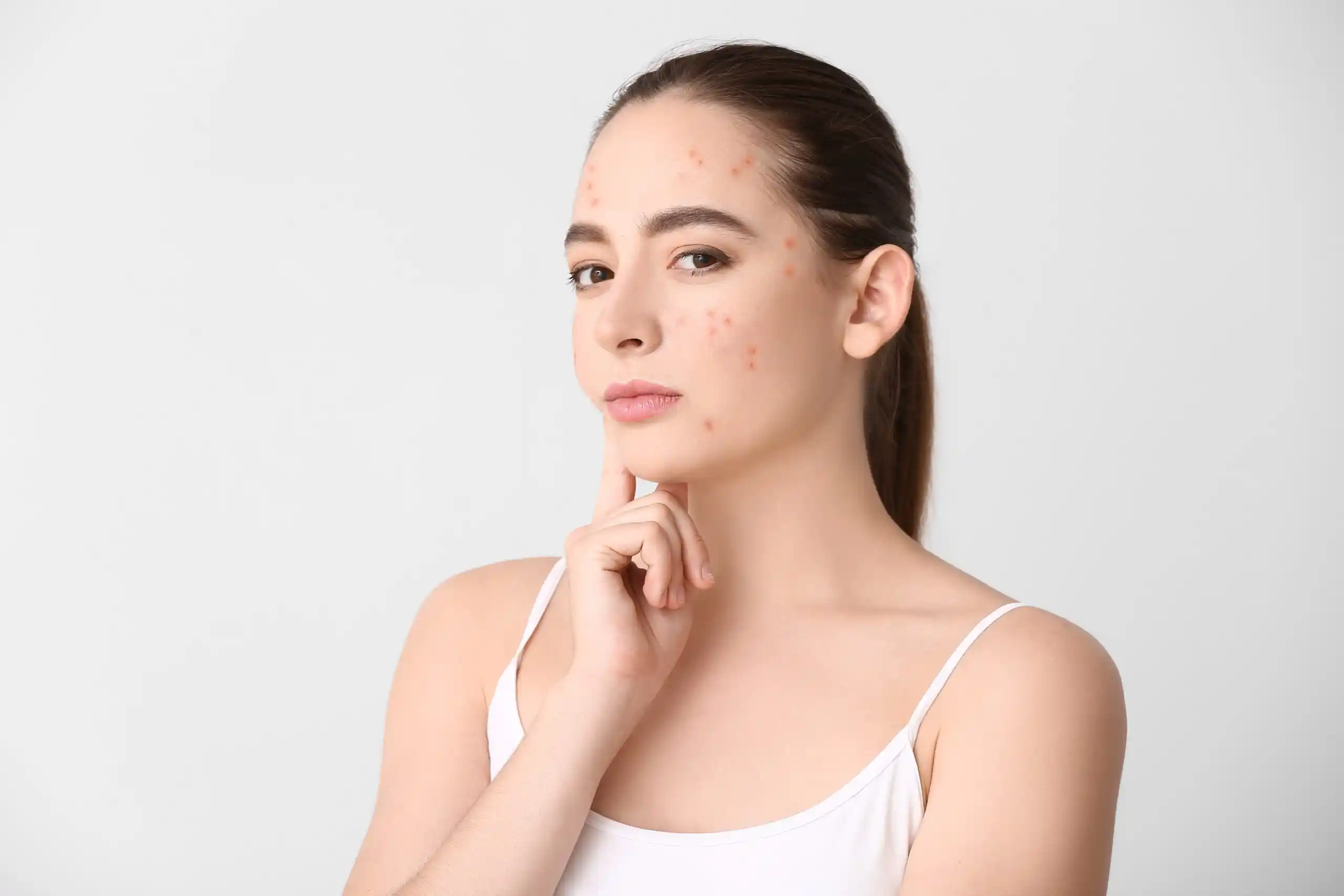
Acne is the most common skin disease in the U.S., affecting over 40–50 million Americans annually and up to 85% of teenagers each year. It occurs when excess oil, clogged pores, bacteria, and inflammation interact, producing visible breakouts that vary in depth, severity, and risk of scarring. Understanding the different types of acne lesions is critical for selecting the right treatment and preventing long-term damage.
Blackheads and Whiteheads (Comedones):
These form when pores are clogged by oil and dead skin. Blackheads remain open, appearing dark, while whiteheads are closed bumps. Treatments include medical-grade cleansers, salicylic acid, and topical retinoids.
Papules (Inflamed Pimples): When pores become blocked deeper in the skin, tender red bumps develop. Topical antibiotics and oral medications help reduce bacteria and inflammation.
Pustules (Pus-Filled Pimples): These occur when inflammation worsens, creating pus-filled lesions. Combination therapy with topical antibiotics, retinoids, and targeted cleansers helps reduce recurrence.
Cysts and Nodules (Severe Acne): Deep, painful, swollen lumps signal the most advanced form of acne. Treatments include oral antibiotics, isotretinoin, and sometimes hormonal therapy. Early intervention prevents scarring.
At Legacy Dermatology, we provide evidence-based acne treatments, from topical solutions to isotretinoin and laser therapies, ensuring patients achieve clear, healthy skin with lasting results.
- Most common U.S. skin disease
- Over 50 million affected yearly
- 85% of teens develop acne
- Four root causes identified
- Oil and clogged pores key drivers
- Inflammation determines acne severity
- Blackheads and whiteheads are comedones
- Severe cysts cause scarring risk
- Multiple treatment levels available
- Personalized care ensures best outcomes