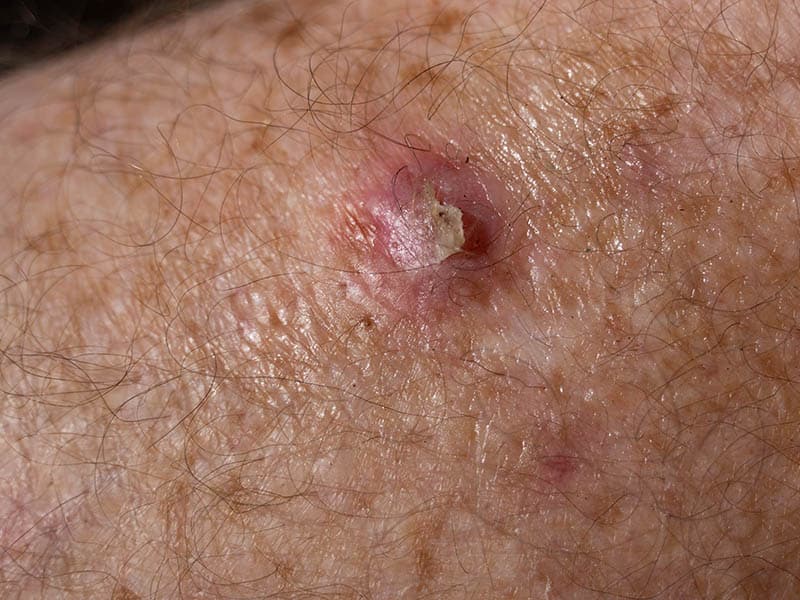
Squamous Cell Carcinoma

SCC is the second most frequent skin cancer in the U.S., affecting 250,000 people annually. It develops in the top skin layer and often appears on sun-exposed areas. Most SCCs remain localized, but untreated cases can invade deeper tissue or spread, causing complications, maintaining confidence.

Causes and Risk Factors: Who Is Most Vulnerable

Chronic sun exposure is the main cause, particularly for fair-skinned, light-eyed individuals. Other risks include burns, scars, chemical exposure, chronic inflammation, and weakened immune systems. SCC can also appear in darker skin, often in previously damaged or inflamed areas.

• Over 250,000 Americans develop SCC each year, making early recognition essential.

• Fair skin and repeated sun exposure significantly increase lifetime risk of SCC.
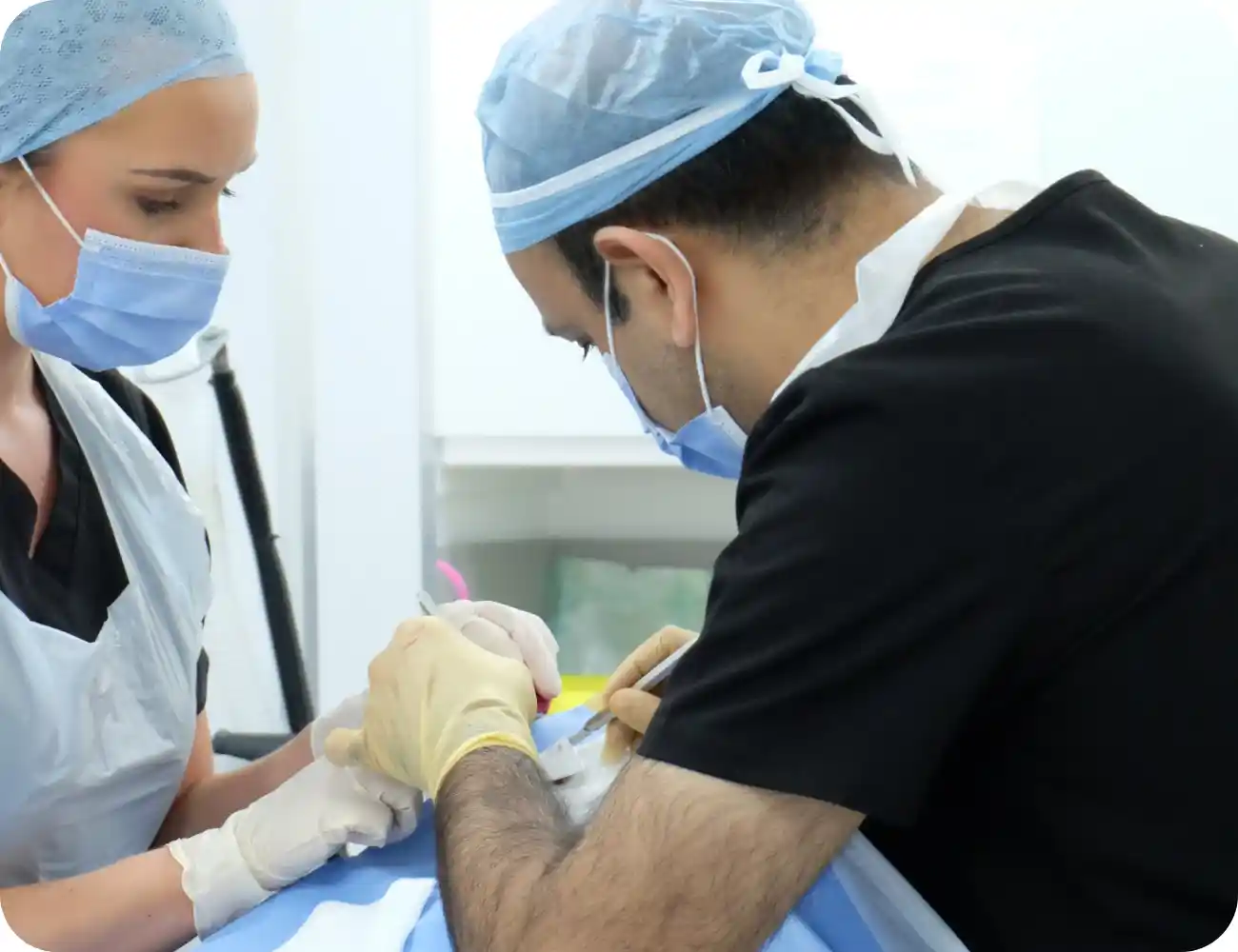
1st Dec 22 Dr. Arif Aslam Surgery
Flowers.pngSymptoms of Squamous Cell Carcinoma

Recognizing Warning Signs: Early Symptoms to Spot Before Progression

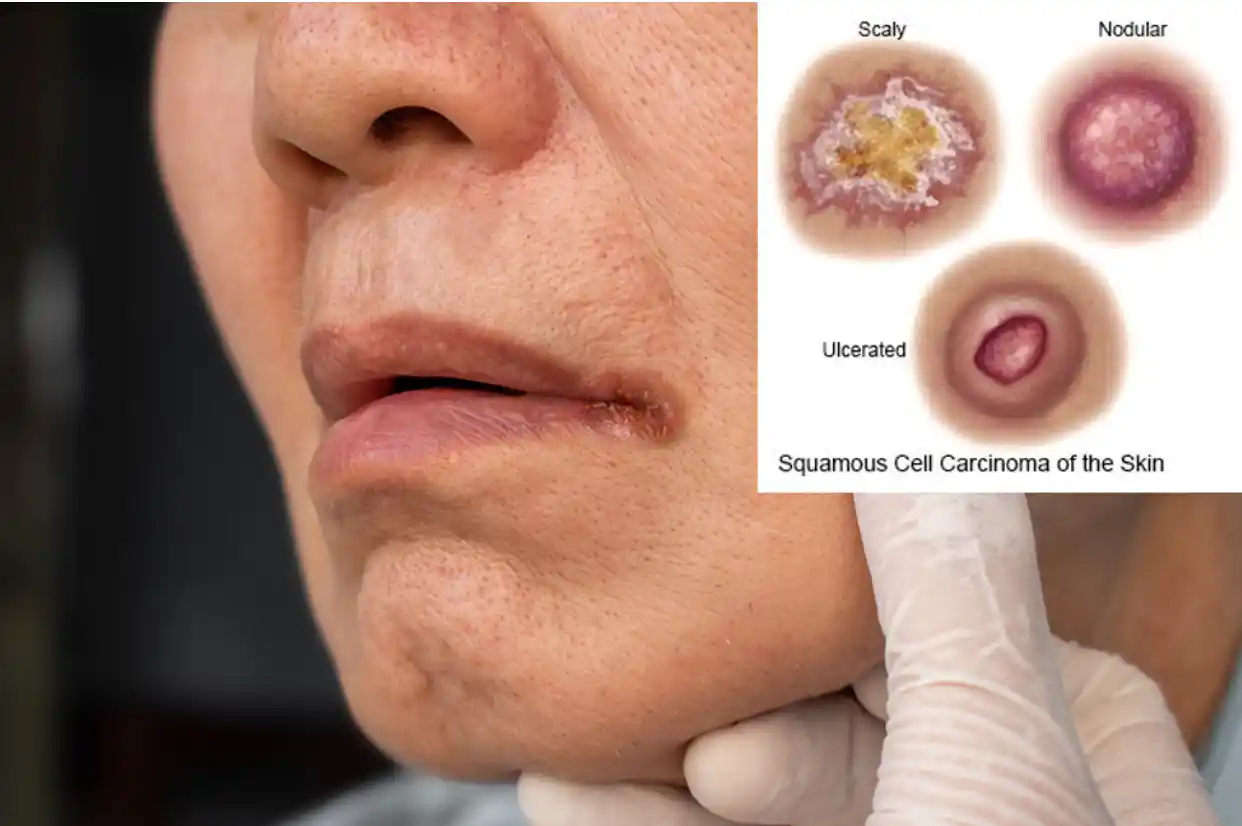
SCC can appear as scaly red patches, raised bumps with central depressions, open sores, or wart-like growths. Lesions may bleed, crust, or enlarge over weeks. High-risk locations include the face, ears, hands, forearms, and lips.

Regular self-checks and prompt evaluation of suspicious spots help detect SCC early, allowing simpler treatment, less tissue damage, and improved long-term results. Images help patients recognize potential SCC changes at home and seek care quickly.

Did you know?

1.8 Million

An estimated 1.8 million cases of SCC are diagnosed each year, which translates to about 205 cases diagnosed every hour.

90%

of nonmelanoma skin cancers are associated with exposure to UV radiation from the sun.

SQUAMOUS CELL CARCINOMA

Recognizing and Treating SCC

Squamous cell carcinoma is a common skin cancer that may present as scaly red patches, open sores, elevated growths, or wart-like lesions, often on sun-exposed areas. Without timely care, SCC can grow deeper, damage surrounding tissue, and spread. Legacy Dermatology provides advanced screening, precise removal, expert reconstruction, and long-term follow-up to stop progression, preserve healthy skin, protect function, and restore appearance with confidence.

A persistent, scaly red patch with irregular borders that sometimes crusts or bleeds

A persistent, scaly red patch with irregular borders that sometimes crusts or bleeds.

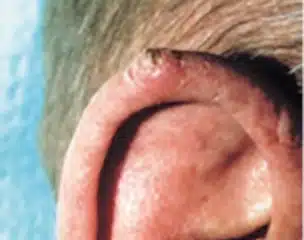
An elevated growth with a central depression that occasionally bleeds

An elevated growth with a central depression that occasionally bleeds. It may rapidly increase in size.

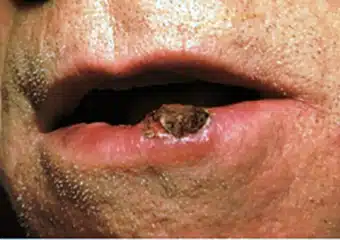
An open sore that bleeds or crusts and persists for weeks

An open sore that bleeds or crusts and persists for weeks.

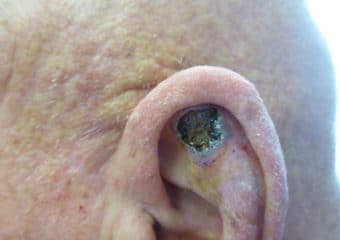
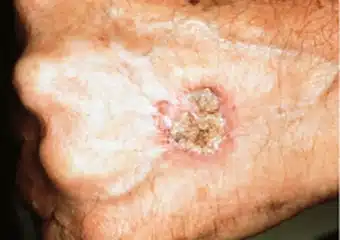
A wart-like growth that crusts and occasionally bleeds

A wart-like growth that crusts and occasionally bleeds.

TYPES OF SKIN CANCER

Legacy Dermatology: Trusted SCC Treatment in Bountiful UT & Northern Utah

At Legacy Dermatology, we specialize in the comprehensive treatment of Squamous Cell Carcinoma (SCC), one of the most common yet potentially serious forms of skin cancer. Our team combines advanced diagnostic tools, expert surgical techniques, and personalized treatment plans to ensure the highest cure rates while protecting your overall skin health. From early detection and precise tissue removal to natural reconstruction and lifelong monitoring, our patient-centered approach is designed to provide both medical excellence and peace of mind.

• Precise tissue removal

• Personalized treatment planning

• Lifelong recurrence monitoring

• Natural, aesthetic reconstruction

GettyImages 653827196 5ee8cea1a1a5437aa583d1f3a1dcff72

• (801) 797-9121

Do I Need See Derm
Preventing Squamous Cell Carcinoma

How to Reduce Your Risk of SCC

Simple Steps for Long-Term Skin Protection and Lasting Healthy Confidence Every Day

While Squamous Cell Carcinoma is highly treatable, prevention is always the best defense. At Legacy Dermatology, we provide patients with practical, science-backed strategies to reduce their lifetime risk and maintain healthier skin. This includes daily sun protection routines, guidance on safe outdoor practices, and education on recognizing early warning signs. By combining smart lifestyle choices with routine dermatology visits, patients can dramatically lower their chances of developing SCC.

• Daily use of broad-spectrum sunscreen

• Protective clothing and wide-brimmed hats

• Avoid tanning beds and excess sun

• Regular skin exams with our team

SCC or BCC skin cancer on senior males' leg waiting for surgery.
Living With and Managing Squamous Cell Carcinoma

Prognosis, Treatment Methods, and Long-Term Care

When treated early, Squamous Cell Carcinoma has an excellent outlook, with cure rates as high as 95–99%. Delayed or untreated cases may grow into deeper layers of skin or, in rare cases, spread to other parts of the body, which makes timely care essential.

High-Risk Patients Some individuals require closer monitoring, including those with weakened immune systems, organ transplant recipients, or patients with multiple previous skin cancers. These groups benefit from more frequent skin checks and tailored follow-up plans.

Want To Ask Us Directly?

Et non est nisl mi vitae faucibus amet malesuada bibendum massa vivamus tempor imperdiet posuere fusce adipiscing.

Book Appointment

Most Popular Questions

Get expert answers to SCC risks, early detection, advanced treatments, and long-term care to empower patients with knowledge and confidence.

Need More Help?

Reach out to our experts for personalized guidance, answers, and proactive skin care solutions.

Customer Support

Get expert guidance and solutions tailored to your skin health needs.

Chat us

Ticket Support

Quickly resolve questions or concerns with our dedicated support team.

Send Ticket

Contact us

Connect directly with specialists for immediate advice and personalized care.

Call us

Reach Out for Expert Skin Care Support

• (801) 797-9121

• office@legacy-dermatology.com

• 320 W 500 S Ste. 210, Bountiful, UT 84010

Request an Appointment

Appointment Request