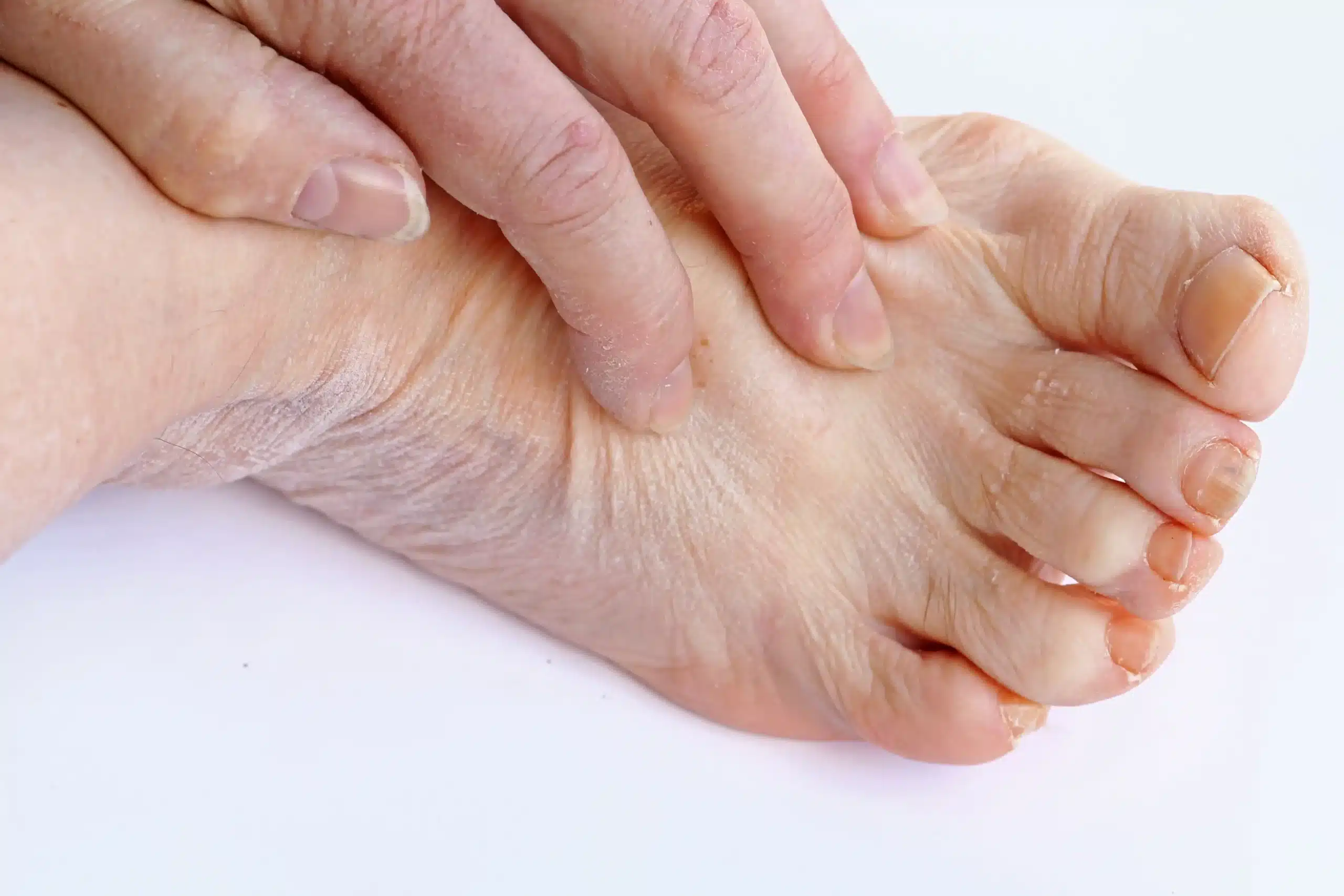
Comprehensive Evaluation of Primary and Secondary Hyperhidrosis
Hyperhidrosis, or excessive sweating, impacts approximately 2.8% of Americans, often affecting the palms, feet, underarms, and face. This chronic condition can disrupt daily activities, social interactions, and professional confidence. At Legacy Dermatology, we differentiate primary hyperhidrosis, triggered by emotional stimuli and nerve hyperactivity, from secondary hyperhidrosis, which arises from underlying medical conditions including endocrine, neurologic, infectious, or malignant disorders.
Our team conducts a meticulous evaluation, combining patient history, physical examination, and advanced diagnostic techniques to determine the precise etiology. This enables us to personalize treatment strategies that are both effective and minimally invasive. Early intervention is crucial to prevent complications such as skin maceration, social anxiety, and reduced occupational performance.
Treatment modalities we provide include clinical-strength antiperspirants, prescription aluminum chloride applications, oral medications targeting nerve pathways, and targeted botulinum toxin injections for localized sweat control. These therapies are delivered using advanced protocols tailored to patient needs, ensuring minimal discomfort and maximal efficacy.
Patients seeking relief can access our advanced, evidence-based care through Legacy Dermatology. Learn more about our specialized approaches on our website.
Warning signs indicating need for specialist intervention:
- Excessive sweating beyond normal physiological limits
- Sweat interfering with daily occupational tasks
- Persistent palm or foot moisture despite treatments
- Unexplained facial or scalp perspiration
- Emotional distress caused by visible sweat
- Sweating during non-stressful activities
- Staining or damage to clothing regularly
- Recurring skin infections from moisture
- Sudden onset secondary sweating patterns
- Family history suggesting inherited hyperhidrosis