Basal Cell Carcinoma

Basal cell carcinoma, the most prevalent skin malignancy, silently invades tissue. Legacy Dermatology delivers precise detection, evidence-based removal, and patient-focused strategies to safeguard appearance, functionality, and long-term skin integrity.

Basal Cell Carcinoma: The Most Common Skin Cancer

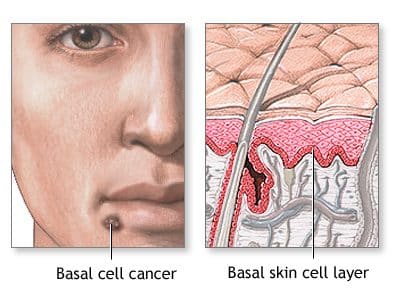
Basal cell carcinoma (BCC) starts in the deepest layer of the skin and affects over a million Americans each year. While it usually grows slowly, untreated BCC can damage nearby skin, cartilage, or bone. It often appears on sun-exposed areas like the face, ears, and scalp.

Some BCCs can be aggressive or resistant to treatment, making early detection crucial. At Legacy Dermatology, we combine expert evaluation, careful removal, and modern therapies to treat BCC effectively, preserve healthy skin, and achieve the best long-term results.
38233
Flowers.png9099

Causes and Risk Factors: Why BCC Develops

BCC develops mainly due to long-term sun exposure, especially in fair-skinned individuals with light hair and eyes. Other factors include previous burns, radiation, chemical exposure, and family history.

Older age and high UV exposure increase risk, highlighting the importance of regular skin checks, prevention, and early treatment.

Modern BCC treatment goes beyond simple removal. Legacy Dermatology offers Mohs surgery, targeted therapies, and minimally invasive techniques to eliminate cancer while preserving function and appearance. Follow-up monitoring ensures reduced recurrence risk and long-term peace of mind.
How to spot Basal Cell Carcinoma

FACT

Over one million Americans are diagnosed with BCC every year, showing rapid growth.

It’s a fact

Untreated BCC may invade skin, cartilage, and bone, leading to serious damage.

BASAL CELL CARCINOMA

Spot Basal Cell Carcinoma: Early Warning Signs

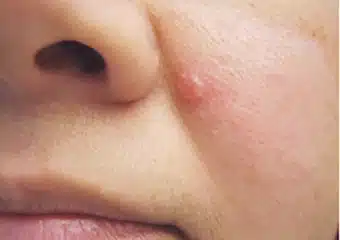
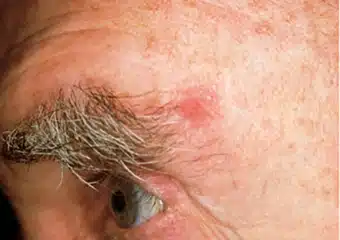
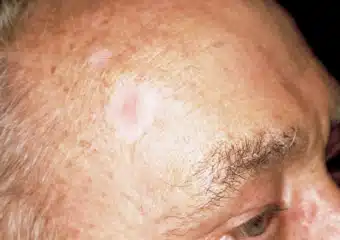
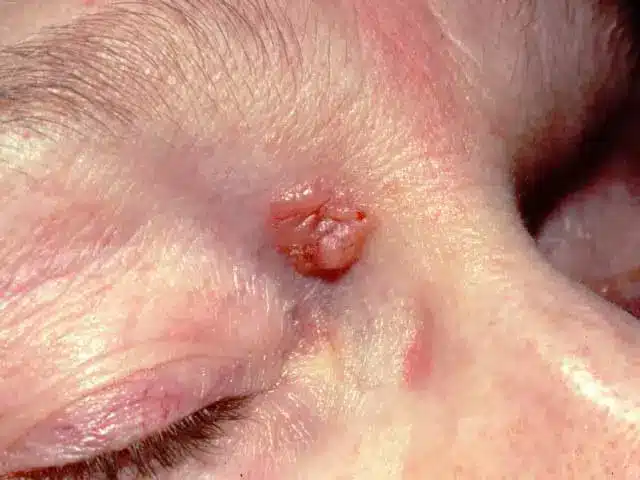
BCC can appear as a sore that doesn’t heal, red patch, pearly bump, or scar-like area. Some have an indentation in the center or crust on the surface. Checking your skin regularly and visiting a dermatologist for suspicious changes is crucial. Early detection allows for smaller, less invasive treatments and preserves the skin’s appearance and function. Pictures help recognize different BCC forms.

An open sore that does not heal

An open sore that does not heal

A shiny bump or nodule

A shiny bump or nodule

A reddish patch or irritated area

A reddish patch or irritated area

A scar-like area that is flat white, yellow or waxy in color

A scar-like area that is flat white, yellow or waxy in color

A small pink growth with a slightly raised, rolled edge and a crusted indentation in the center

A small pink growth with a slightly raised, rolled edge and a crusted indentation in the center

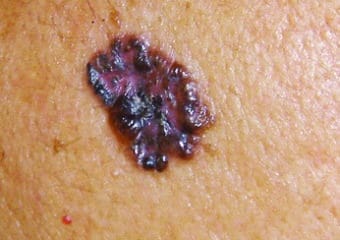
A pigmented basal cell carcinoma on skin of color

A basal cell carcinoma may be pigmented on skin of color. Photo: Andrew Alexis, MD, MPH

TYPES OF SKIN CANCER

Mohs Surgery for BCC: Precision, Preservation, and Maximum Cure

Mohs micrographic surgery is a highly effective method for treating basal cell carcinoma. The procedure removes the cancer layer by layer, examining each under a microscope to ensure complete removal while sparing healthy tissue. This approach minimizes recurrence, preserves function and appearance, and is ideal for tumors in sensitive or high-risk areas.

Legacy Dermatology’s specialists also perform precise reconstruction, ensuring natural-looking results, faster recovery, and long-term protection for complex, large, or recurring BCCs.

Mohs surgery and individualized strategies maximize

Mohs surgery and individualized strategies maximize cure rates while preserving skin health and aesthetics.

Wmremove transformed

• (801) 797-9121

Electrocoagulation,And,Laser,Cosmelotogy.,Dermatologist,Using,A,Professional,Electrocautery,For
OTHER SKIN GROWTHS YOU SHOULD KNOW ABOUT

Early Detection and Long-Term Monitoring with Legacy Dermatology

Regular, skin exams and detailed tracking allow early identification of new or recurrent basal cell carcinoma.

Personalized monitoring plans, ongoing education, and risk assessment help maintain skin health, reduce recurrence, and guide toward long-term protection.

• Full skin evaluations

• Personalized monitoring plan

• Recurrence risk tracking

• Ongoing patient education

38242
RECOGNIZING SKIN CANCER

Why Choose Legacy Dermatology for Basal Cell Carcinoma

Treatment is tailored based on tumor type, size, location, and patient health. Our approach ensures high cure rates, protects normal skin, and delivers natural-looking results.

Patients benefit from modern techniques, compassionate guidance, and long-term follow-up, giving confidence, early detection of new cancers, and lifelong skin protection.

Patients benefit from modern techniques, compassionate guidance, and long-term follow-up, giving confidence, early detection of new cancers, and lifelong skin protection.

Talk Directly With Our Skin & Cancer Specialists

Connect with our board-certified dermatologists for expert guidance, personalized solutions, and proactive care to protect your skin’s health and confidence today.

Book Appointment

Most Popular Questions

In-depth insights addressing basal cell carcinoma detection, treatment options, risk mitigation, and long-term skin preservation for confident, informed, and proactive patient care.

Need More Help?

Reach out to our experts for personalized guidance, answers, and proactive skin care solutions.

Customer Support

Get expert guidance and solutions tailored to your skin health needs.

Chat us

Ticket Support

Quickly resolve questions or concerns with our dedicated support team.

Send Ticket

Contact us

Connect directly with specialists for immediate advice and personalized care.

Call us

Reach Out for Expert Skin Care Support

• (801) 797-9121

• office@legacy-dermatology.com

• 320 W 500 S Ste. 210, Bountiful, UT 84010

Request an Appointment

Appointment Request