Malignant Melanoma

Malignant melanoma is the most serious form of skin cancer. Early detection allows nearly 100% cure, while advanced disease can be life-threatening. Legacy Dermatology combines expert evaluation, precise removal, and monitoring to protect your health, appearance, and long-term skin safety.

Malignant Melanoma: The Most Serious Skin Cancer

Melanoma originates in pigment-producing melanocytes and can appear anywhere on the skin, including normally unexposed areas. Rapidly increasing in incidence, it demands careful evaluation. Early, thin melanomas are highly curable, while invasive tumors can spread to lymph nodes and organs, making timely diagnosis critical.

Legacy Dermatology offers expert assessment, advanced imaging, and individualized management plans to optimize outcomes and minimize risk. Patients benefit from evidence-based approaches, precision removal, and lifelong surveillance, ensuring both safety and confidence in care.


Melanoma (2)
Melanoma (6)

Early vs. Advanced Melanoma: In Situ and Invasive Forms

“In situ” melanomas remain confined to the top skin layer and are highly curable. Invasive melanomas penetrate deeper layers and may metastasize, requiring comprehensive treatment. Early identification dramatically improves prognosis and long-term survival.

• Superficial Spreading Melanoma: Most common, spreads along skin surface before deeper invasion.

• Lentigo Maligna Melanoma: Often occurs on sun-damaged skin in elderly, slowly invasive.

• Acral Lentiginous Melanoma: Appears on palms, soles, or nails, common in darker-skinned individuals.

• Nodular Melanoma: Rapidly invasive from onset, aggressive and often life-threatening.
Don’t feel the burn!

YOUR RISK

DOUBLES

of developing melanoma
with a history of 5 or more sunburns.

Early detection makes a difference

99% 5-year survival rate for patients in the U.S. whose melanoma is detected early. The survival rate drops to 74% if the disease reaches the lymph nodes and 35% if it spreads to distant organs.

MALIGNANT MELANOMA

Recognizing Warning Signs: Spotting Melanoma Before It Spreads

Melanoma may present as a new or changing mole with irregular borders, varied colors, or rapid enlargement. Look for asymmetry, uneven pigmentation, diameter greater than 6mm, or crusting, bleeding, or itching. Early recognition is critical. Legacy Dermatology educates patients to monitor skin from head to toe and report changes promptly. Visual guides and clinical assessments help differentiate suspicious lesions from benign moles, ensuring timely evaluation and intervention.

A is for Asymmetry

A is for Asymmetry

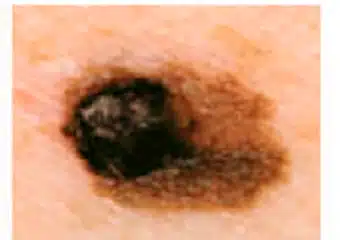
B is for Border

B is for Border

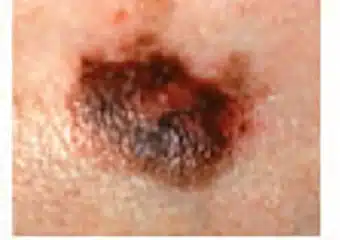
C is for Color

C is for Color

D is for Diameter or Dark

D is for Diameter or Dark

Melanoma that looks like an odd-shaped mole

Melanoma that looks like an odd-shaped mole

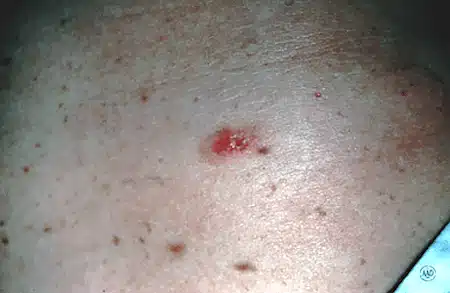
Melanoma that looks like a sore

Melanoma that looks like a sore

Melanoma that looks like a firm, raised growth

Melanoma that looks like a firm, raised growth

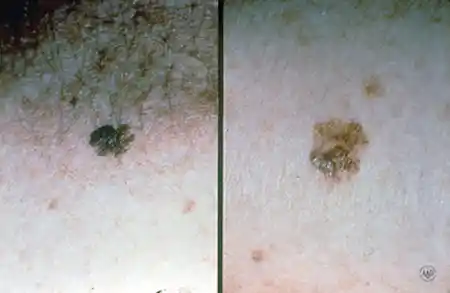
Melanoma that looks like an age spot

Melanoma that looks like an age spot

TYPES OF SKIN CANCER

Early Detection and Biopsy: Confirming Malignant Melanoma

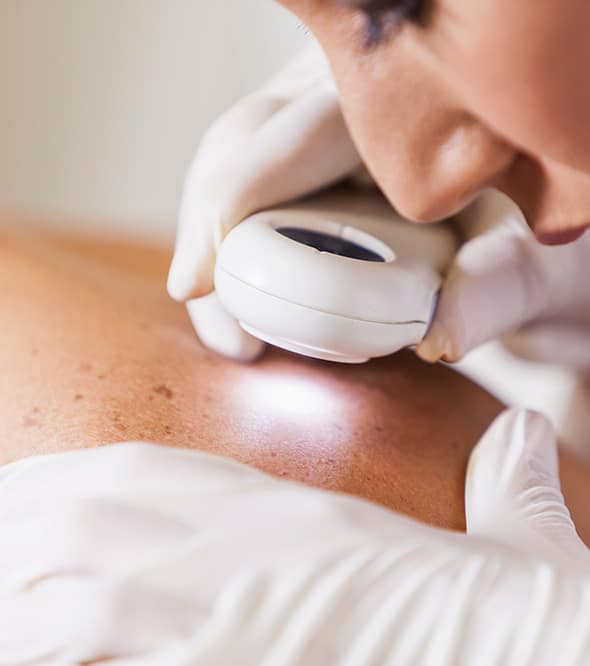
A dermatologist evaluates suspicious lesions through thorough examination and dermoscopy. Biopsy confirms malignancy, determines depth, and guides treatment decisions. Accurate early diagnosis enables curative interventions with minimal tissue removal and optimal cosmetic outcomes.

Patients gain confidence through structured assessment, timely intervention, and expert guidance for ongoing surveillance.

Early Detection & Biopsy

We use expert evaluation and biopsy to confirm melanoma early, enabling curative treatment with minimal tissue removal and better cosmetic results.

Melanoma (3)

• (801) 797-9121

Melanoma (1)
OTHER SKIN GROWTHS YOU SHOULD KNOW ABOUT

Advanced Treatment Options: Surgical Excision, Mohs, and Targeted Care

Surgical excision removes melanoma completely, preserving surrounding tissue.

Mohs surgery is precise for high-risk or recurrent lesions. Targeted therapies may supplement surgery for invasive or metastatic disease.

• Layered Precision Removal

• Tissue-Sparing Techniques

• Recurrence Prevention Strategy

• Patient-Centric Individualized Car

Melanoma (4)
RECOGNIZING SKIN CANCER

Legacy Dermatology: Your Trusted Experts in Advanced Melanoma Care

Our board-certified dermatologists combine experience, advanced diagnostics, and surgical precision to manage melanoma at every stage.

Patients benefit from personalized treatment plans, continuous monitoring, and proactive prevention strategies. Legacy Dermatology empowers individuals with knowledge, early detection tools, and comprehensive care, safeguarding long-term skin health while maximizing aesthetic and functional outcomes.

Your safety, confidence, and peace of mind guide every step of your melanoma journey. Our board-certified dermatologists use advanced diagnostics and precision treatment to manage melanoma at every stage.

Patients receive personalized plans, ongoing monitoring, and preventive strategies. Legacy Dermatology empowers you with early detection tools and comprehensive care to protect long-term skin health.

Talk Directly With Our Skin & Cancer Specialists

Connect with our board-certified dermatologists for expert guidance, personalized solutions, and proactive care to protect your skin’s health and confidence today.

Book Appointment

Most Popular Questions

Deep, expert answers addressing risks, detection, treatment, and long-term protection for informed, confident patient decisions.

Need More Help?

Reach out to our experts for personalized guidance, answers, and proactive skin care solutions.

Customer Support

Get expert guidance and solutions tailored to your skin health needs.

Chat us

Ticket Support

Quickly resolve questions or concerns with our dedicated support team.

Send Ticket

Contact us

Connect directly with specialists for immediate advice and personalized care.

Call us

Reach Out for Expert Skin Care Support

• (801) 797-9121

• office@legacy-dermatology.com

• 320 W 500 S Ste. 210, Bountiful, UT 84010

Request an Appointment

Appointment Request