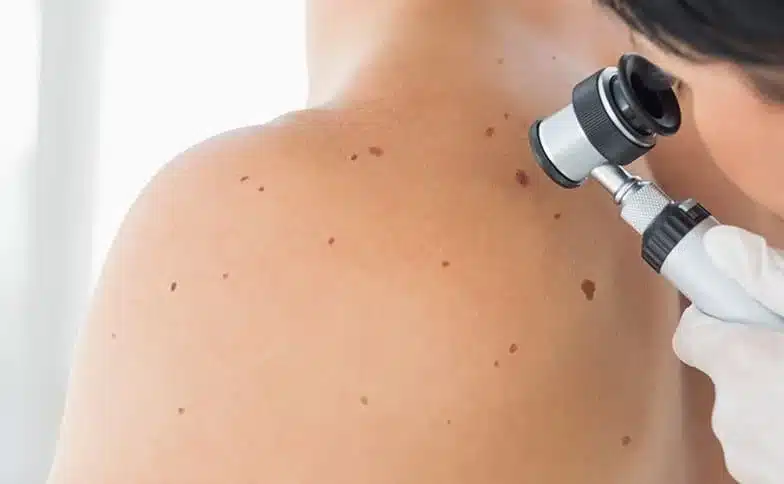
Understanding Skin Cancer: Causes, Risks, and Warning Signs
Skin cancer develops when abnormal skin cells grow uncontrollably, most often triggered by UV radiation. Risks are higher in fair-skinned individuals, those with numerous or irregular moles, light hair or eyes, family history, or extensive sun exposure.
Warning signs include persistent sores, rough patches, or rapidly changing moles. Early recognition is critical. Delayed detection increases complications, treatment complexity, and potential disfigurement.


Types of Skin Cancer: From Basal Cell to Melanoma
Skin cancer presents in multiple forms, each with unique risk profiles. Basal cell carcinoma grows slowly, rarely spreads, but can invade underlying tissue if untreated. Squamous cell carcinoma can metastasize, particularly on the lips, face, or ears.
Malignant melanoma is aggressive and potentially life-threatening; early detection is essential for cure. Understanding these types enables targeted, evidence-based interventions, precise treatment, and improved long-term outcomes.
Preventing skin cancer starts with sun safety—use sunscreen, wear protective clothing, and avoid tanning beds. Regular self-checks and professional skin exams help catch issues early, making treatment simpler and more effective.